 Account
Choose between RoRo and container shipping by confirming which service accepts your particular car on your intended route. Then compare the handling arrangements, collection responsibilities and complete quotation. A method that looks attractive in a general comparison is of little use if the carrier will not accept the vehicle or the destination arrangements do not work for you.
For an overseas used-car buyer, the useful question is: which confirmed shipping plan gets this car to a collection point I can actually use? The following comparison helps you answer it before committing to a booking.
Understand the handling difference
RoRo means roll-on/roll-off. Wallenius Wilhelmsen explains that self-propelled cargo moves aboard on its own wheels, while some other cargo uses wheeled handling equipment. Its description therefore does not support a blanket claim that every non-running vehicle is impossible to ship by RoRo. Acceptance still needs checking for the proposed service. Wallenius Wilhelmsen ocean transportation
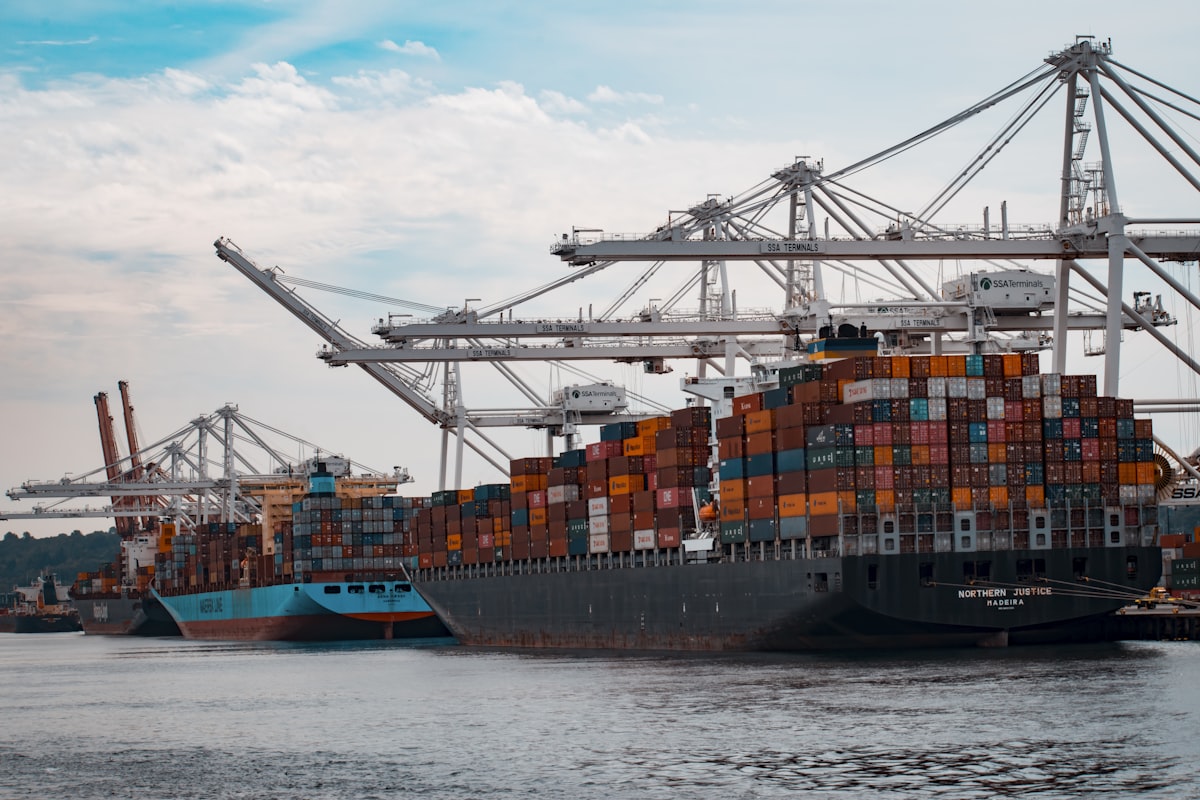
With container shipping, the car travels inside a freight container. Maersk's vehicle guidance includes loading and securing requirements for this arrangement. Maersk vehicle shipping guidance
Ask who will load and secure the car, what equipment will be used and who will unload it. Treat “container shipping” as the beginning of that discussion. It does not describe the loading plan, the condition records or the work included at the destination.
Washin Auto's shipping and export services provide a starting point for discussing both methods. Ask for the arrangement proposed for your car rather than selecting from the method name alone.
Check the vehicle before comparing prices
Prepare one factual vehicle description and send the same version with both enquiries. Include the stock reference, dimensions, fuel or power type, modifications, known damage and whether it starts, steers and brakes. Identify anything you want shipped with it separately.
Container carriage is not an automatic workaround for a damaged vehicle. For example, Maersk's vehicle booking guidance lists damaged batteries and flooding among its non-acceptance conditions. This is a carrier-specific example, not a universal acceptance list. Maersk vehicle booking guidance, page 4
If you are comparing vehicles in Washin Auto's inventory, keep a separate shipping enquiry for each candidate. A quote for one standard car should not silently become the quote for a modified or differently powered alternative.
Use a comparison grid with three possible answers
Mark each cell confirmed, not accepted or awaiting information. This is a practical screening method, not a measured ranking of shipping services.
| Question | Evidence to request for RoRo | Evidence to request for container |
|---|---|---|
| Does this route work? | Loading port, discharge port and proposed sailing | Loading port, discharge port and any transfer points |
| Is this exact car accepted? | Confirmation against its condition and dimensions | Confirmation against its condition and loading proposal |
| Who handles it? | Origin handover and destination collection contacts | Loading, securing and unloading responsibilities |
| Are additional items accepted? | Written answer identifying each item | Written answer identifying each item and its packing |
| What happens after arrival? | Collection location and release contact | Unpacking location, car handover and container responsibilities |
| What remains outside the quote? | Itemised exclusions and paying parties | Itemised exclusions and paying parties |
Do not turn an unanswered cell into a favourable assumption. First resolve anything that could prevent shipment or collection. Only then compare the remaining options against your priorities.
Compare the route you will actually buy
Write down the full itinerary, including the final place where you will receive the car. If a proposal includes a transfer between vessels, ask how updates for that connection will reach you. If the discharge port differs between quotes, obtain the onward collection plan before treating them as alternatives.
For a shared-container proposal, ask what must happen before the load is ready to leave and what happens if another shipment is delayed. For a sole-use container, confirm that the quote explicitly describes that arrangement. Neither question requires guessing which service will be faster.
Keep scheduling separate from your own availability. An earlier proposed arrival is not necessarily more useful if your collecting agent cannot handle that port or you cannot organise onward transport there.
Make a conditional choice
Consider an illustrative buyer comparing two accepted options for an ordinary running hatchback. Both use the same collection port. The RoRo proposal has a clear handover process, while the container proposal still lacks an unloading charge and responsible party. The buyer should resolve that omission before comparing totals; a missing charge is not a saving.
Now consider a modified car. If the RoRo provider has not confirmed its dimensions or loading suitability, a lower freight figure should not decide the purchase. Seek acceptance and a workable handling plan for each option first.
Your final choice should be explainable in one sentence: “I selected this confirmed service because its route, handling and collection arrangements fit my car and my priorities.” Keep the supporting written answers with the booking.
To discuss a specific vehicle, send Washin Auto an enquiry with its stock reference, destination port, condition details and preferred collection arrangement. Ask which RoRo and container options can be considered and what each quotation includes.